


Refresh Your Home the Earth-Friendly Way

Join us as we explore an eco-conscious home refresh built around thrifted and upcycled finds, designed for rotating decor that evolves with your seasons and moods. Discover practical systems, creative projects, and mindful habits that reduce waste, save money, and elevate personal style. We will share techniques, real-life stories, and community-driven ideas that make sustainable living feel exciting, manageable, and genuinely beautiful in everyday spaces.

Mindful Style That Evolves

Your space can stay exciting without buying new every month. Curate pieces that tell stories, rotate them with intention, and let your home reflect the changing rhythm of your life. A rotating approach makes each object feel fresh again, while secondhand treasures preserve resources, spark conversation, and foster a deeper connection with your surroundings. Start small, experiment with vignettes, and notice how presence and memory become part of the design language.

Thrifting Like a Pro

Finding the right piece is an adventure that rewards patience, curiosity, and a keen eye. Learn to scan shelves for shape before color, check joinery and weight for quality, and read small details like hardware, fabric weave, or glaze. Build relationships with store staff, visit on restock days, and browse neighborhoods with different aesthetics. Thrifting is a conversation with the past, and the best answers arrive when you ask generous questions.

Where to Hunt

Diversify your routes: charity shops, estate sales, salvage yards, university move-out days, and online local marketplaces. Early mornings often yield the treasures, but late-day discounts can surprise you too. Bring measurements, photos of your room, and a list of gaps you want to fill. Keep an open mind—great objects often emerge in unexpected aisles. Gentle consistency turns luck into habit, slowly transforming your home into a living collection.

How to Spot Quality

Trust your hands. Quality usually feels solid, balanced, and thoughtfully finished. Look for dovetail joints, real wood grain, weighty glass, tight stitching, and original hardware in decent condition. Flip items carefully to inspect undersides and backs; authenticity often hides there. Ignore superficial scuffs you can refinish, but be wary of structural cracks, active pests, or serious warping. A few minutes of inspection saves hours of regret and unnecessary waste.

Negotiating and Community Etiquette

Ask respectfully, appreciate the story, and remember that fair pricing sustains good sources. When requesting a discount, point to repair work you will undertake or bundles you are considering. Always clean up after browsing, handle with care, and thank staff. Share your finished projects with them later; relationships grow when people feel part of your success. Cooperation turns solitary scavenging into a supportive network that keeps wonderful objects in circulation.

Upcycling That Looks High-End

Elevate thrifted pieces with subtle, durable upgrades designed to last years, not months. Aim for finishes that age gracefully, thoughtful hardware changes, and fabric choices that complement existing lines. Favor restraint over heavy-handed alterations, allowing original character to shine. The most elegant transformations often mask the work behind them, inviting compliments like, “Where did you find that?” while quietly honoring the resourcefulness and repair that made beauty possible again.

Furniture Revivals with Low-VOC Finishes

Sand lightly to preserve edges, repair with wood filler, and choose low-VOC stains or paints to protect indoor air quality. Seal with water-based topcoats for durability without lingering odor. Swap knobs or pulls to modernize gently. Many readers report that a weekend dresser refresh changed entire bedroom moods. Photograph the process and share with our community; your approach could inspire someone else to save a neglected piece from the curb.

Textile Transformations from Discards

Turn damaged linens into patchwork pillow covers, curtain tiebacks, or layered table runners. Felt moth-bitten wool into coasters and trivets with tactile richness. Combine offcuts to reupholster a footstool, highlighting intentional variation rather than hiding it. Prewash everything for stability and clean scent. A grandmother’s embroidered napkin, framed behind glass, can become a focal point with history. Stitching memory into function preserves stories while avoiding the cost of brand-new fabric.

Glass, Ceramics, and Metal Makeovers

Unify mismatched vases with a ceramic-effect paint, elevate basic jars with limewash, or polish tarnished brass thoughtfully to keep warmth without erasing age. Use museum putty for stability in styled shelves. Small lifts—felt pads, subtle patina repairs, or linen-wrapped handles—quietly signal intention. When you photograph before-and-after moments, you’ll notice how tiny refinements change proportions and light. Share your tips in the comments to help others refine their eye and process.
Storage that Protects and Simplifies

Store ceramics with soft separators, textiles in breathable cotton, and framed art in cardboard sleeves. Use clear bins or photo labels to avoid rummaging and breakage. Keep desiccant packs for humidity control. Dedicate one shelf per room to simplify swaps. When everything has a safe landing spot, the act of rotating becomes a calming ritual instead of a chore, reinforcing mindful ownership and respect for each piece’s continued journey.

Cataloging and Rotation Calendar

Create a lightweight spreadsheet or phone album tagged by color, season, and material. Add quick notes on condition and placement ideas. Set reminders for quarterly refreshes, ideally aligned with cleaning routines. This framework reduces decision fatigue and highlights gaps to seek secondhand. Share your catalog template with friends, compare strategies, and celebrate the pleasure of bringing familiar objects back into view with purpose, patience, and a little ceremonial delight.

Small Budgets, Big Impact

Room Refresh under Fifty Dollars

Choose one standout thrifted object—a sculptural lamp, a textured throw, or a vintage mirror—and reorganize around it. Edit surfaces, adjust art heights, and borrow accents from another room. Add budget-friendly fresh greens for life. The transformation feels substantial because attention reorders energy, not just objects. Share your under-fifty success with us; we love featuring clever makeovers that prove creativity, not cash, is the engine of memorable interiors.

Statement Vignettes from Leftovers

Gather overlooked items—books, postcards, tiny ceramics, a salvaged bracket—and stage them on a tray or mantle. Play with height and negative space until the composition clicks. Use odd-number groupings for rhythm, and repeat a color or finish to unify. When fatigue sets in, pause and return with fresh eyes. Vignettes reward patience and invite storytelling, reminding you that value often hides in what you already own.

Lighting Upgrades with Thrifted Fixtures

Swap a dull shade for a crisp linen drum, rewire vintage lamps safely, and place mirrors to bounce warm light across evening corners. Dimmers transform ambiance without replacing fixtures. Thrifted glass pendants can modernize kitchens on a shoestring when paired with simple bulbs. Share before-and-after shots to inspire others, and ask for feedback on bulb temperatures. Lighting is the invisible paint that refreshes every surface it touches.

Health, Safety, and Environmental Footprint

Sustainability includes wellbeing. Consider air quality, safe materials, and repair methods that respect your body and the planet. Choose low-emission products, protect yourself while sanding or cleaning, and research finishes before use. When in doubt, consult professionals for rewiring or structural fixes. Responsible choices keep secondhand treasures joyful to live with, proving that mindful design cares for the unseen systems that support our comfort, creativity, and long-term resilience at home.

Community and Sharing Economy

Sustainable decorating thrives when neighbors collaborate. Organize swaps, circulate tools, and celebrate collective ingenuity. When items circulate between homes, waste shrinks and stories expand. Our readers often tell us that lending a sander or trading a lamp created friendships stronger than any purchase. Join the conversation below, subscribe for monthly project prompts, and share photos of your rotating displays so we can learn, cheer, and grow together.

Swap Events and Lending Libraries

Host a Sunday swap with simple guidelines: clean items only, a one-in one-out spirit, and a small repair station for quick fixes. Track tools in a shared document or app. Celebrate each exchange with a photo wall. The social energy makes letting go fun, while new arrivals feel immediately welcomed. A lending library of staple tools—staple gun, sander, brushes—empowers bigger projects without duplicating purchases across the neighborhood.

Selling and Donating Ethically

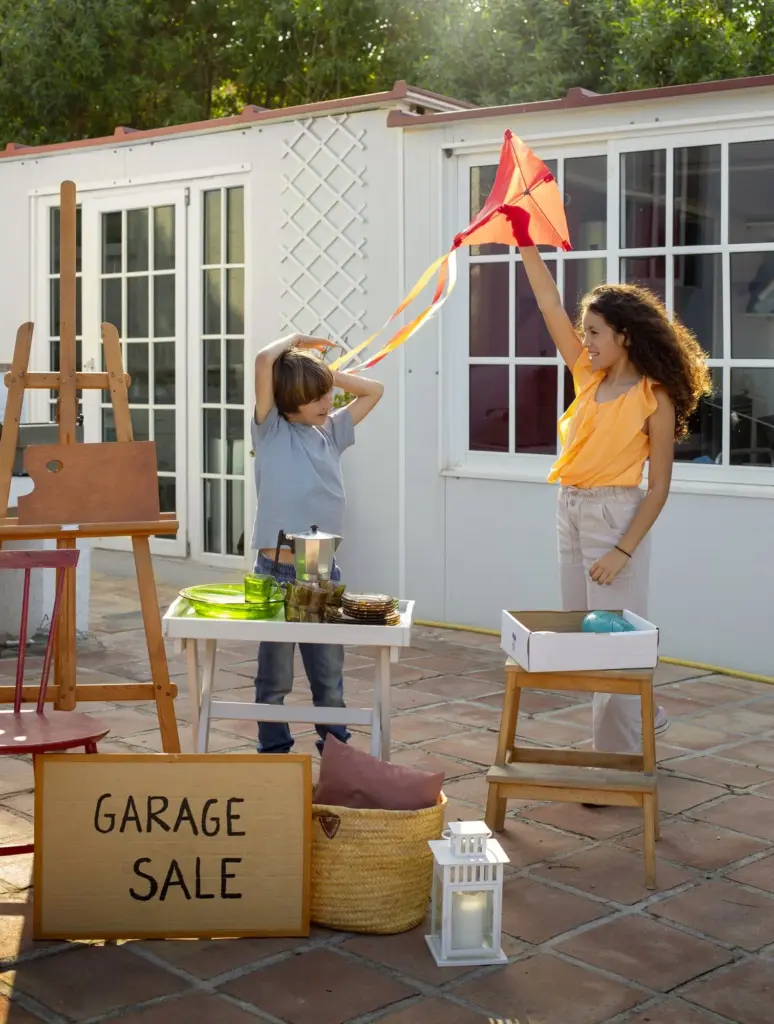
Price transparently, disclose flaws, and provide basic care notes so your item continues to thrive. Favor local charity shops aligned with community needs, and ask what categories they welcome. Package fragile goods responsibly to reduce breakage. Thoughtful parting rituals underscore that stewardship continues beyond your walls. Readers often discover that releasing a once-beloved piece creates space for a better fit, while keeping resources moving to the right hands at the right time.

Inspiring Stories from Readers

We love hearing how a roadside chair became a reading nook anchor, or how inherited textiles framed a newlywed kitchen. Share your journey, the hiccups and the sparkle, and include process snapshots for others. Real-life paths help demystify decision-making, reduce perfectionism, and highlight the magic of iteration. Comment below, subscribe for prompts, and tag us on social so we can feature your evolving, earth-conscious spaces with gratitude and joy.

Zentodariravoteli
Privacy Overview

This website uses cookies so that we can provide you with the best user experience possible. Cookie information is stored in your browser and performs functions such as recognising you when you return to our website and helping our team to understand which sections of the website you find most interesting and useful.